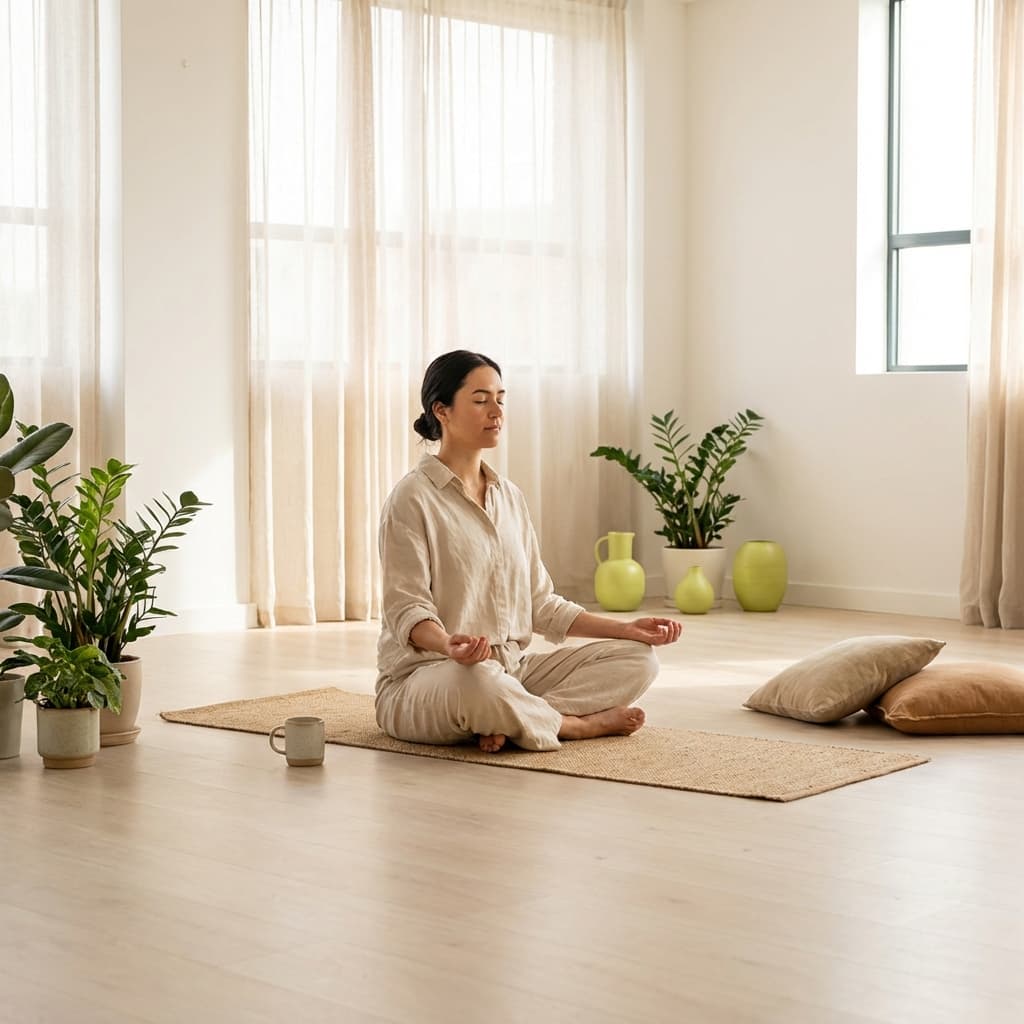
"Stillness is the soil where clarity grows."
Introduction — Why Meditation Matters (and How Simple It Can Be)
Meditation has a reputation for being mystical or inaccessible, but at its heart it's an uncomplicated practice: training attention and cultivating presence. For beginners, five minutes of consistent practice trumps an hour of sporadic effort.
Meditation supports clarity, emotional balance, focus, and resilience — and you don't need incense, an expensive cushion, or special gear to begin. You only need curiosity and a small amount of time.
What Meditation Really Is
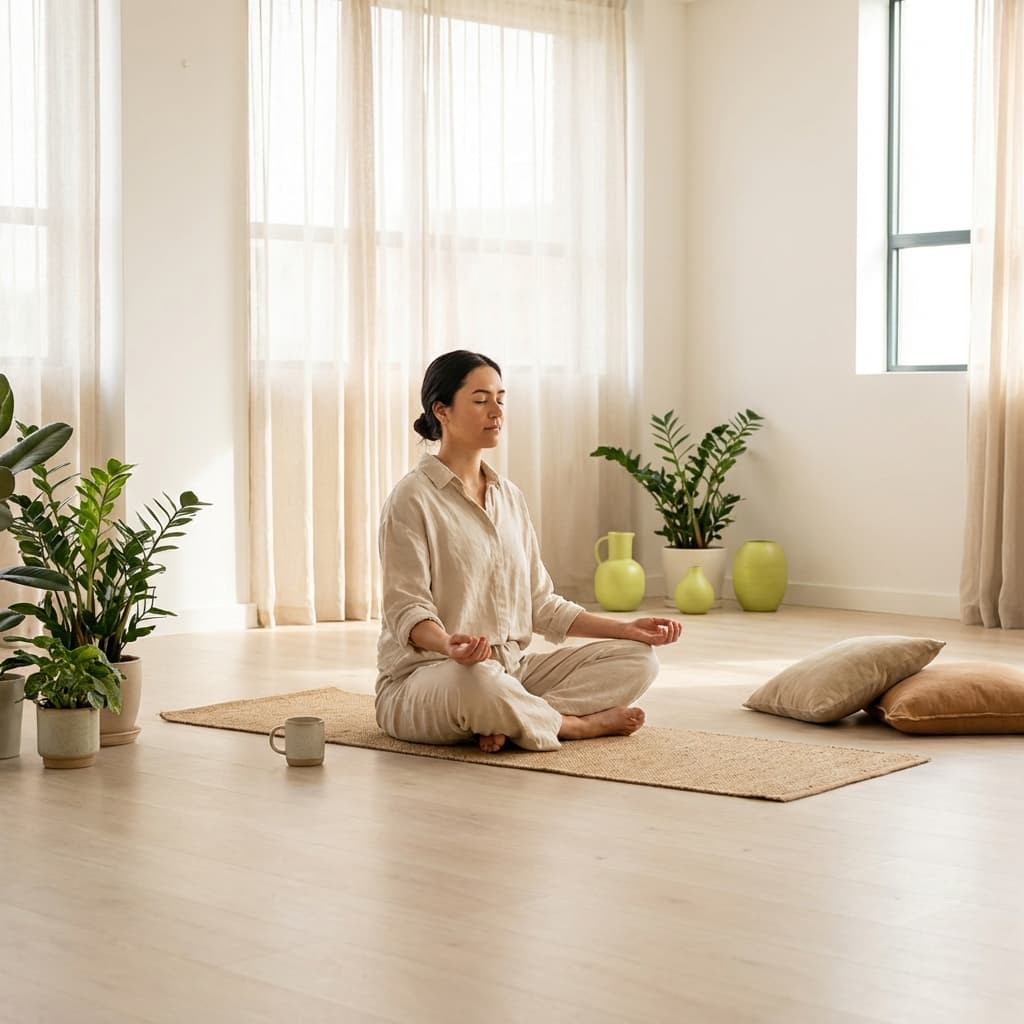
Meditation is not about stopping thought; it's about changing our relationship with thought. Core elements include:
Choosing where to rest your focus (breath, body sensations, sound, or a mantra).
Building the capacity to return your attention when it wanders.
Meeting your inner experience without harsh judgment.
Common Beginner Methods (Simple & Practical)
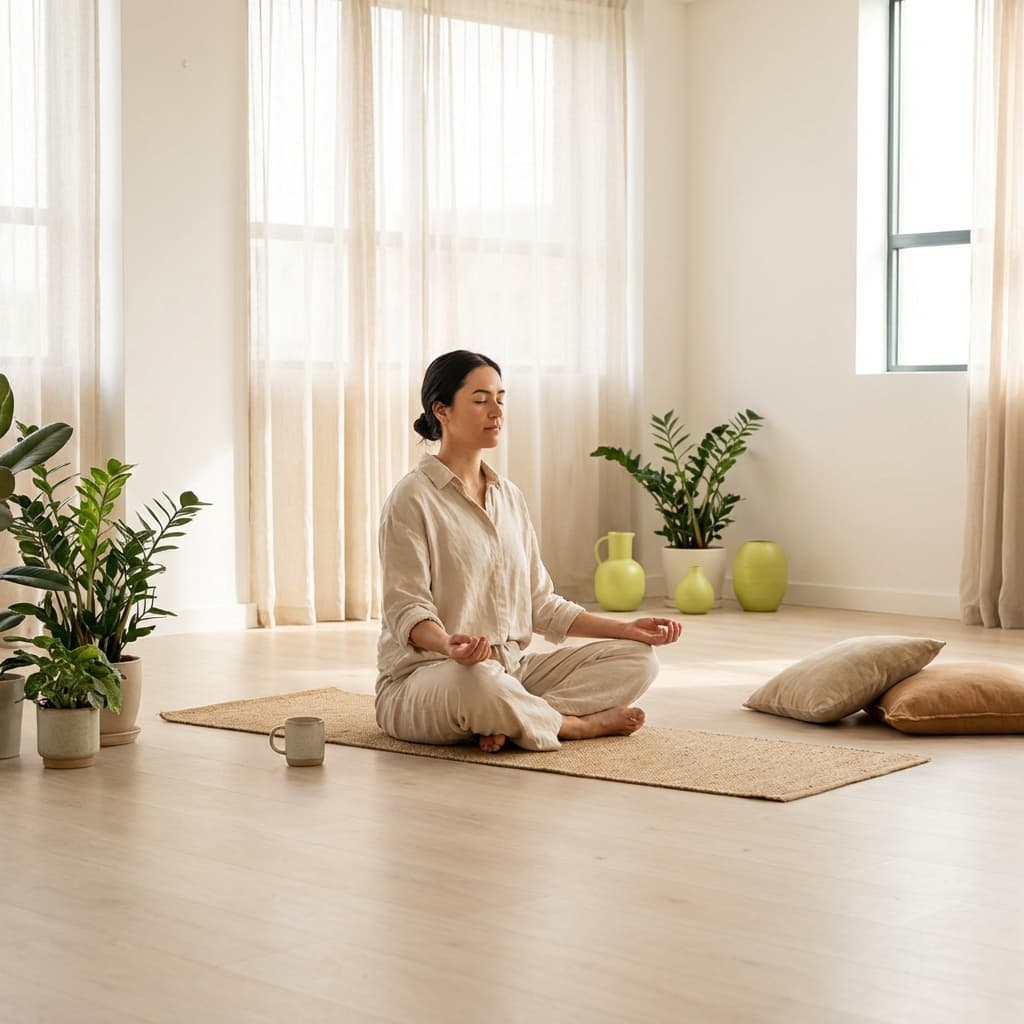
1. Mindful Breath (foundational)
- Sit comfortably, lengthen the spine, soften the shoulders.
- Rest attention on the breath — notice inhale and exhale.
- When the mind wanders, gently return to the breath.
2. Body Scan (grounding)
- Slowly move attention through the body from toes to crown.
- Notice sensations without trying to change them.
- Ideal for relaxation and building embodied awareness.
3. Counting or Mantra (focus anchors)
- Count breaths (1–4) or silently repeat a short phrase (e.g., "soft, steady").
- Helpful when concentration feels slippery.
4. Loving-Kindness (compassion practice)
- Silently repeat phrases like "May I be safe. May I be well."
- Extend these wishes to others to cultivate warmth.
How to Start: A Practical Beginner's Routine
- 1Set a tiny goal
Start with 5 minutes daily for two weeks.
- 2Pick a cue
Same time each day — morning sunlight, after lunch, or before bed.
- 3Create a small ritual
Light a candle or fold your blanket to signal the start.
- 4Use a gentle timer
Choose a soft bell or chime; avoid harsh alarms.
- 5End with a minute of reflection
Notice how you feel, and jot one line in a journal.
A Short Guided Practice (5 minutes)
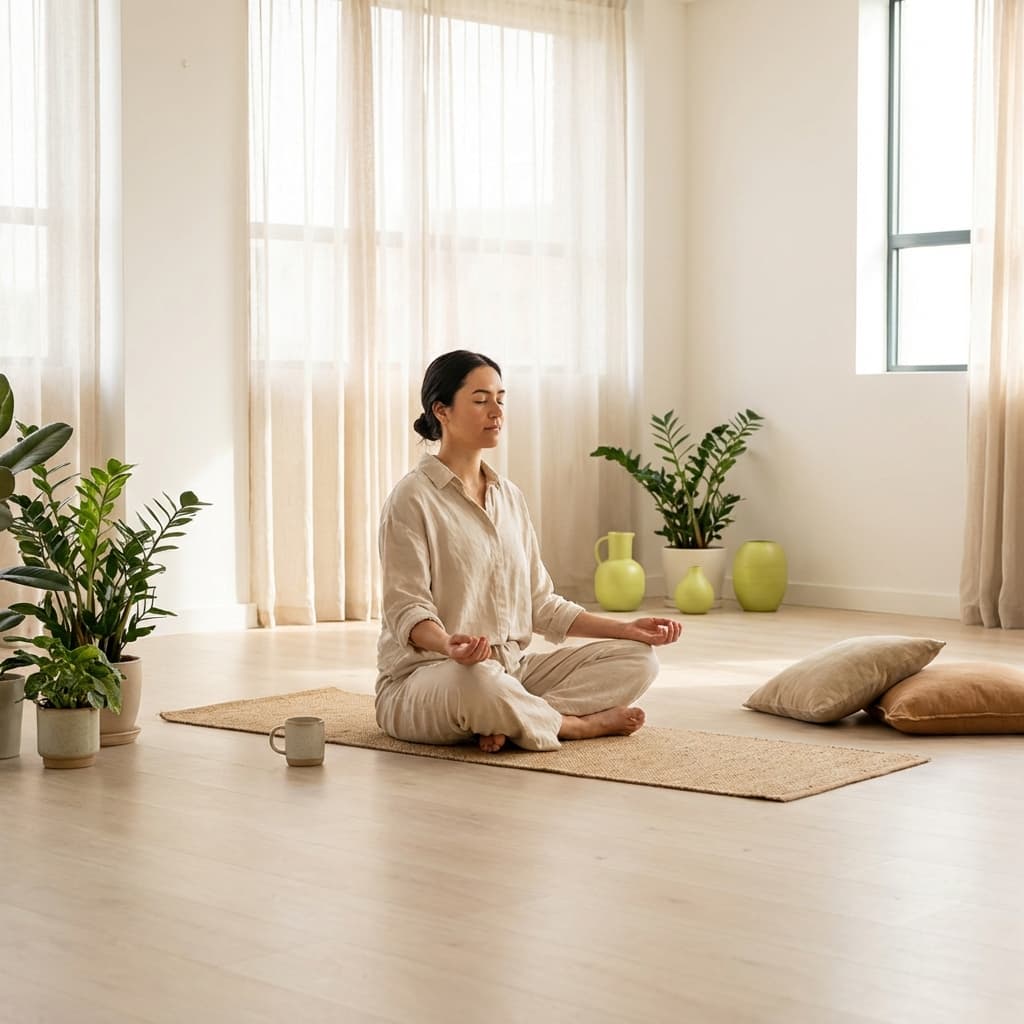
- Sit comfortably. Close or soften the eyes.
- Take three slow deep breaths. Notice the rise and fall of the chest.
- Let breath settle into its natural rhythm. Rest attention on the sensations of breathing.
- When thoughts arise, name them lightly ("thinking") and return to the breath.
- After five minutes, take a deep inhale, open your eyes slowly, and place a hand over your heart for 10 seconds.
Practical Tips & Troubleshooting
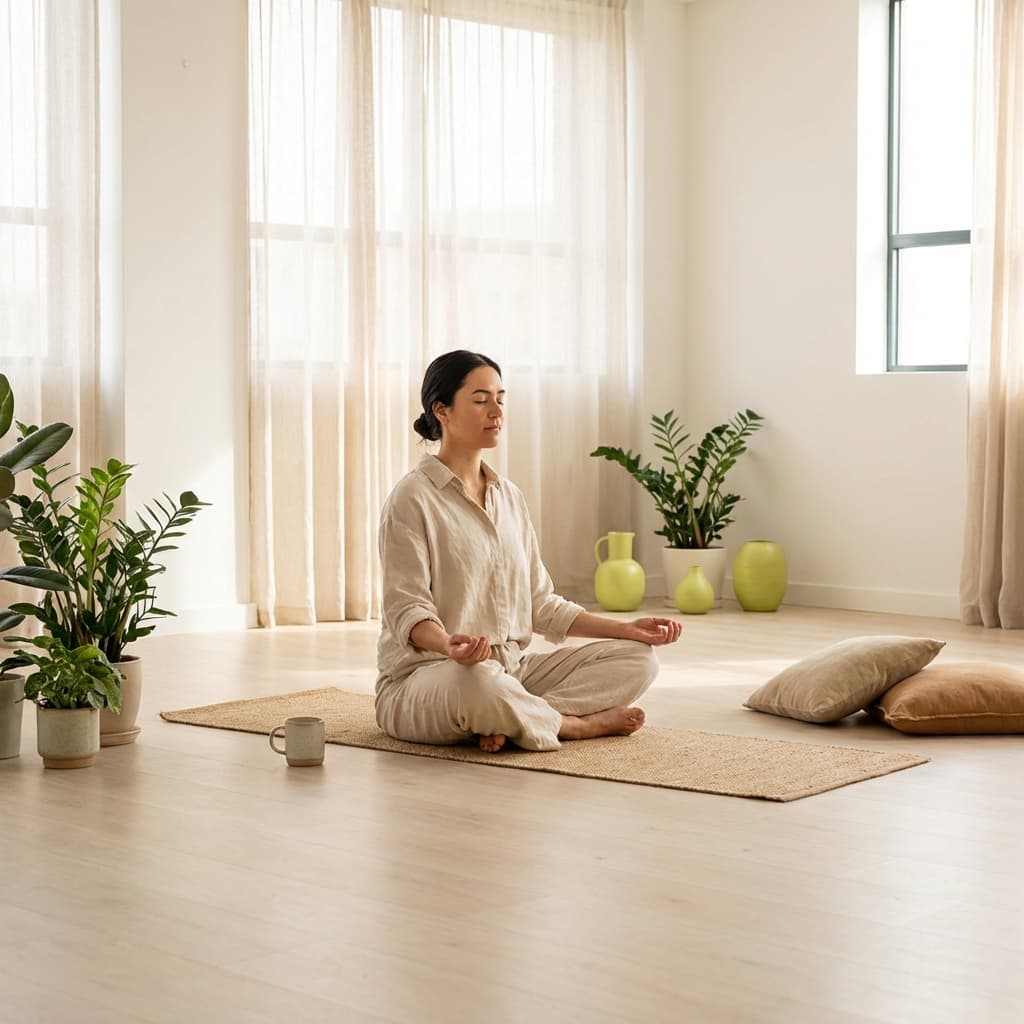
Welcome thoughts as normal; view attention as a muscle to train.
Try sitting more upright, meditate earlier in the day, or shorten the practice.
Keep the minimum habit (even two minutes) and notice changes over weeks, not hours.
Guided apps help, but gradually practice silent sessions too.
Benefits Backed by Research (Concise)
Improved focus and attention
Greater emotional regulation and reduced reactivity
Decreased stress and anxiety symptoms
Enhanced sleep quality and resilience to daily stressors
Gentle Rituals to Support Practice
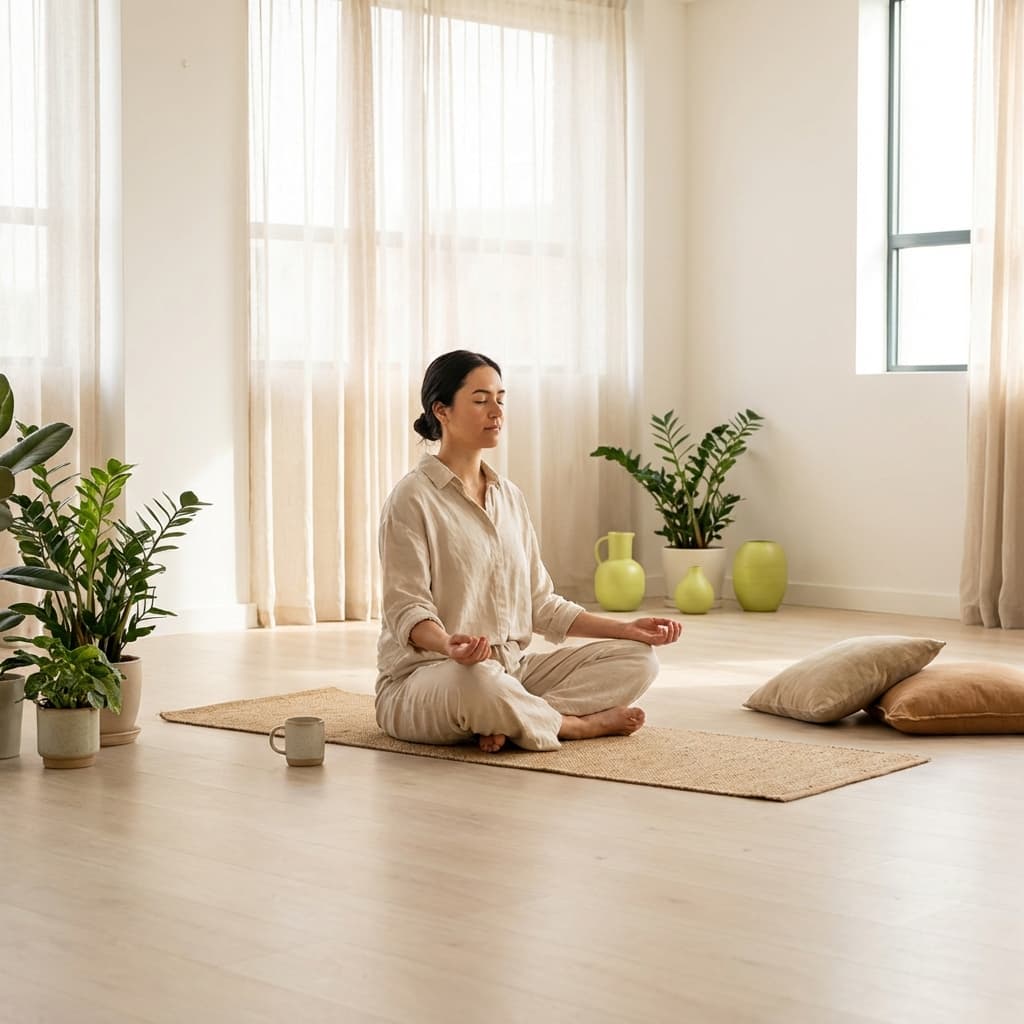
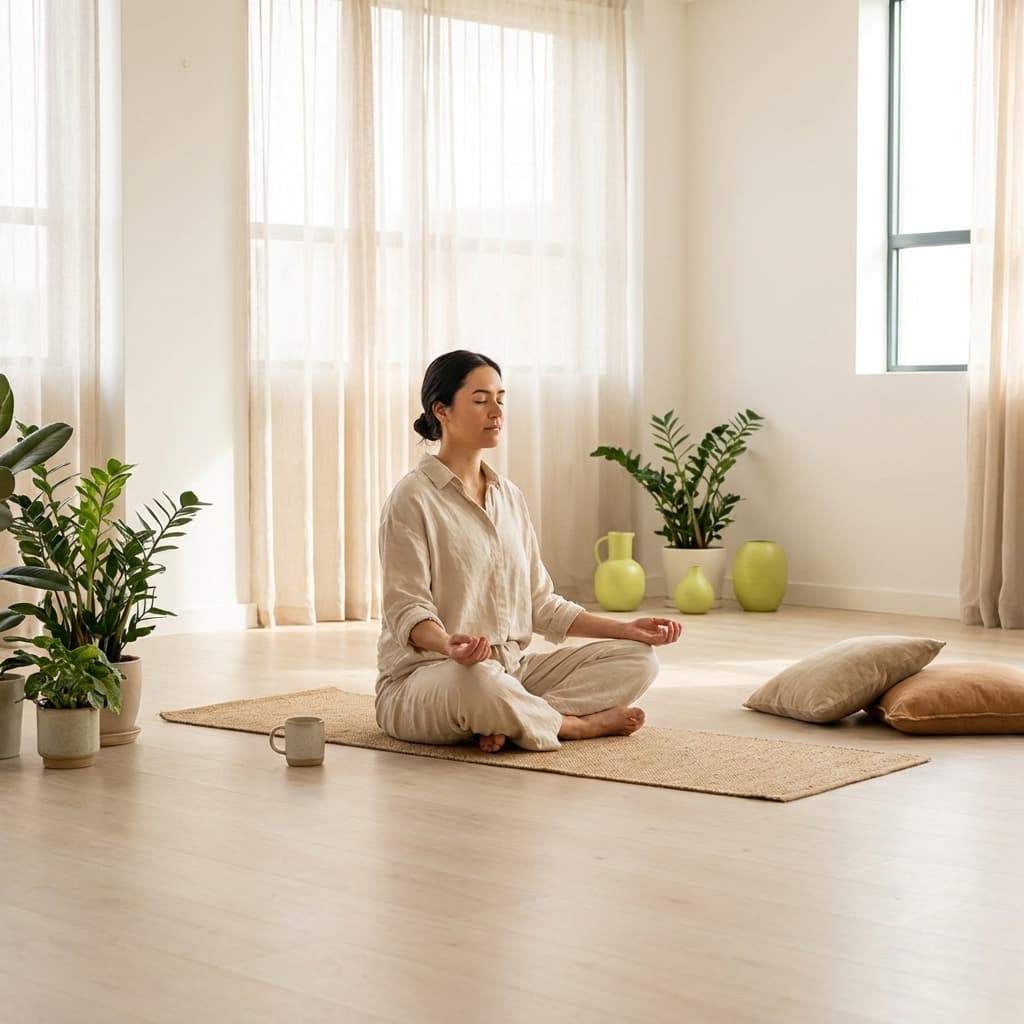
- Keep your space uncluttered and inviting.
- Anchor practice with a consistent cue (same cushion, same spot).
- Pair meditation with a complementary habit (tea, journaling, gentle stretching).
Meditation is a practice, not a performance. Begin where you are.
Whether you start with one mindful breath or a daily 20-minute sit, the point is steady attention and self-kindness. Over time, those small moments form a foundation of clarity, presence, and gentleness that supports everything else in your life.
— GenkiDiary Wellness Team

About the Author
James Parker is a certified meditation teacher with over 20 years of practice, bringing practical, secular mindfulness techniques accessible to all levels.
View Full Profile