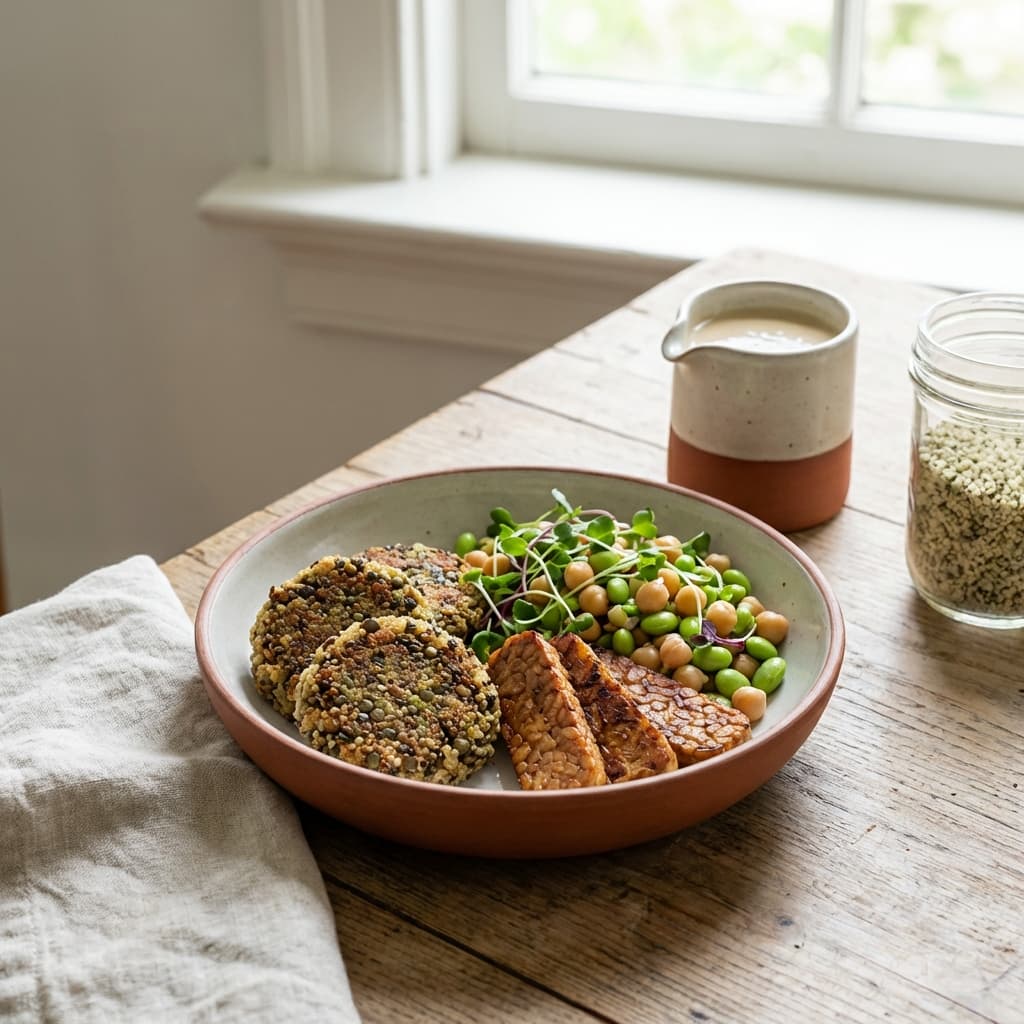
"Your gut isn't just where food is digested — it's where signals are born."
Introduction — Why It's Called the "Second Brain"
Your gut contains its own vast network of neurons known as the enteric nervous system. This system communicates constantly with the brain through nerves, hormones, and immune pathways. Because of this constant conversation, gut health influences far more than digestion — it affects mood, immunity, inflammation, and energy levels.
When your gut environment is balanced, many systems in the body function more smoothly. When it's disrupted, the effects can ripple outward.
How the Gut and Brain Communicate

The gut and brain stay in touch through several major routes:
Especially the vagus nerve connecting gut to brain.
Produced by gut microbes that influence mood and cognition.
Influenced by gut bacteria composition.
Precursors formed in the digestive tract.
This two-way link explains why stress can upset digestion — and why gut imbalances can affect mood.
Your Gut Microbiome: A Living Ecosystem

Inside your digestive system lives a vast community of microbes — bacteria, fungi, and other microorganisms — collectively called the gut microbiome.
These microbes help:
- Break down fiber into beneficial compounds
- Support the gut lining and barrier function
- Regulate inflammation
- Produce molecules that influence brain function
A diverse microbiome is generally associated with better overall health.
The Power of Fiber and Fermented Foods

What you eat directly shapes your gut environment. Foods that support a healthy microbiome:
Beans, lentils, oats, leafy greens, root vegetables
Garlic, onions, bananas, asparagus
Yogurt with live cultures, kefir, kimchi, sauerkraut, miso
That feed beneficial microbes
These foods help produce short-chain fatty acids — compounds that nourish gut cells and support immune and brain health.
Everyday Habits That Help Your Gut

Gut health isn't just about food. Lifestyle plays a major role:
- Manage stress — Chronic stress alters gut bacteria and digestion
- Move your body regularly — Exercise supports microbial diversity
- Sleep consistently — Gut microbes follow daily rhythms too
- Stay hydrated — Water supports digestion and fiber function
- Avoid unnecessary antibiotics — Use only when prescribed
Probiotics: Helpful or Hype?

Probiotics can be helpful in certain situations, especially after antibiotics or for specific digestive issues. However, they're not a universal fix. Different strains have different effects, and food-based support often provides broader long-term benefits.
If considering supplements for ongoing symptoms, it's best to speak with a healthcare professional.
Common Myths About Gut Health

Gut health only affects digestion
It influences mood, immunity, and inflammation
Detoxes "reset" the gut
Your liver and kidneys already detox — your gut needs fiber and balance, not cleanses
More probiotics always mean better gut health
Diversity in diet matters more than high-dose supplements alone
When to Seek Medical Advice

Consult a healthcare provider if you experience:
- Persistent abdominal pain
- Unexplained weight loss
- Blood in stool
- Major, lasting changes in digestion
- Ongoing fatigue with digestive symptoms
Professional guidance ensures that underlying conditions are properly evaluated.
Small Shifts, Big Impact
Caring for your gut doesn't require extreme diets or complicated routines. It's about consistent, supportive habits: more plants, more variety, fermented foods, movement, sleep, and stress care. When your gut ecosystem thrives, the benefits extend far beyond digestion — supporting steadier energy, a balanced immune system, and even a calmer, clearer mind.
— GenkiDiary Wellness Team

About the Author
Elena Rodriguez is a registered dietitian nutritionist (RDN) specializing in plant-based nutrition and digestive health, with a focus on the gut-brain connection.
View Full Profile