“Good food is a ritual — choose ingredients that nourish the body and the day.”
Introduction — Protein, Plants, and Practical Elegance
Plant-based eating isn’t just a trend — it’s a sustainable, nutrient-dense approach that can absolutely meet your protein needs when done thoughtfully. The key is variety, balance, and knowing which ingredients naturally carry more protein than others.
Below are ten of the best plant-based protein sources, how much they offer, and simple ways to bring them into everyday meals.
Quick Notes on Plant Protein Balance
- Combining legumes + grains helps create a stronger amino acid profile
- Soy foods, quinoa, hemp seeds, and seitan are among the most protein-dense plant options
- Spreading protein intake throughout the day improves energy and satiety
1. Lentils
Protein: ~18g per cooked cupLentils are one of the most efficient and affordable protein sources in the plant kingdom.
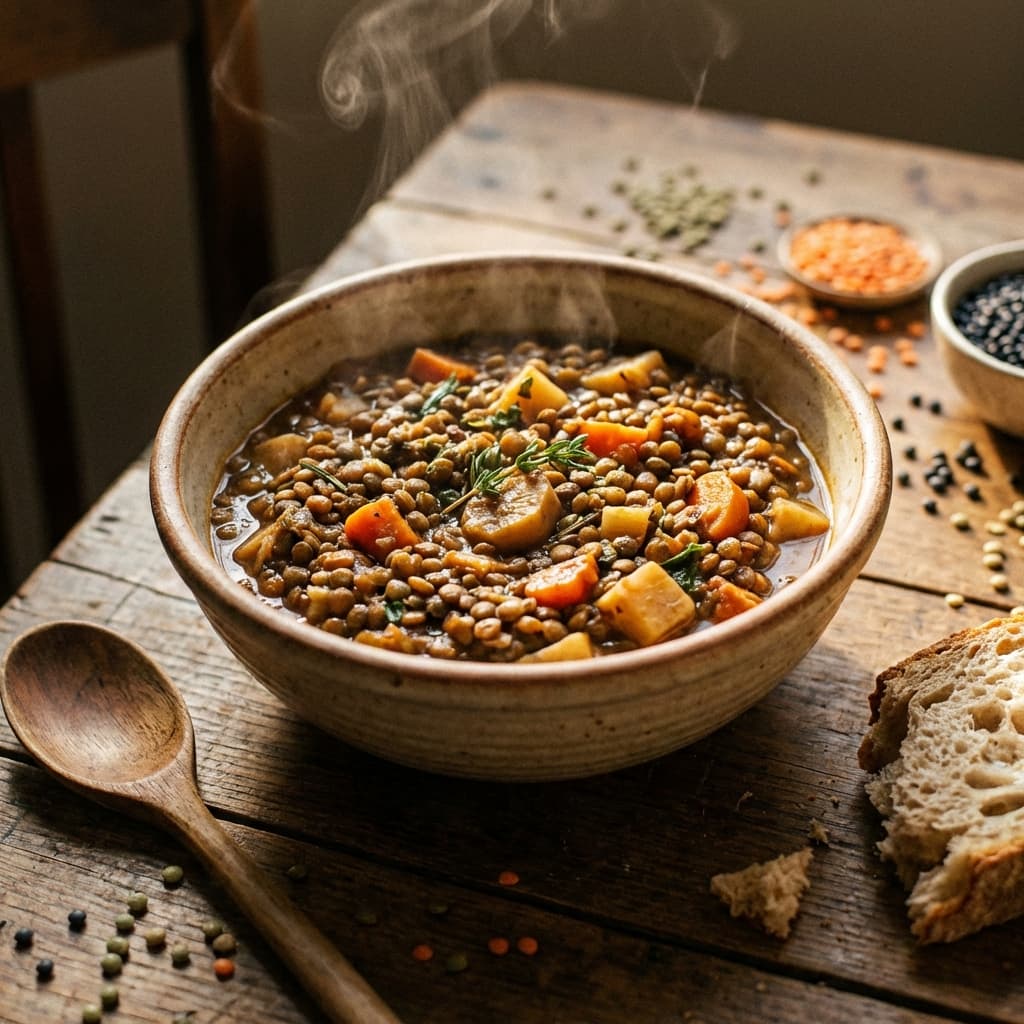
How to use them:
- Hearty soups and stews
- Lentil Bolognese over pasta
- Warm grain bowls
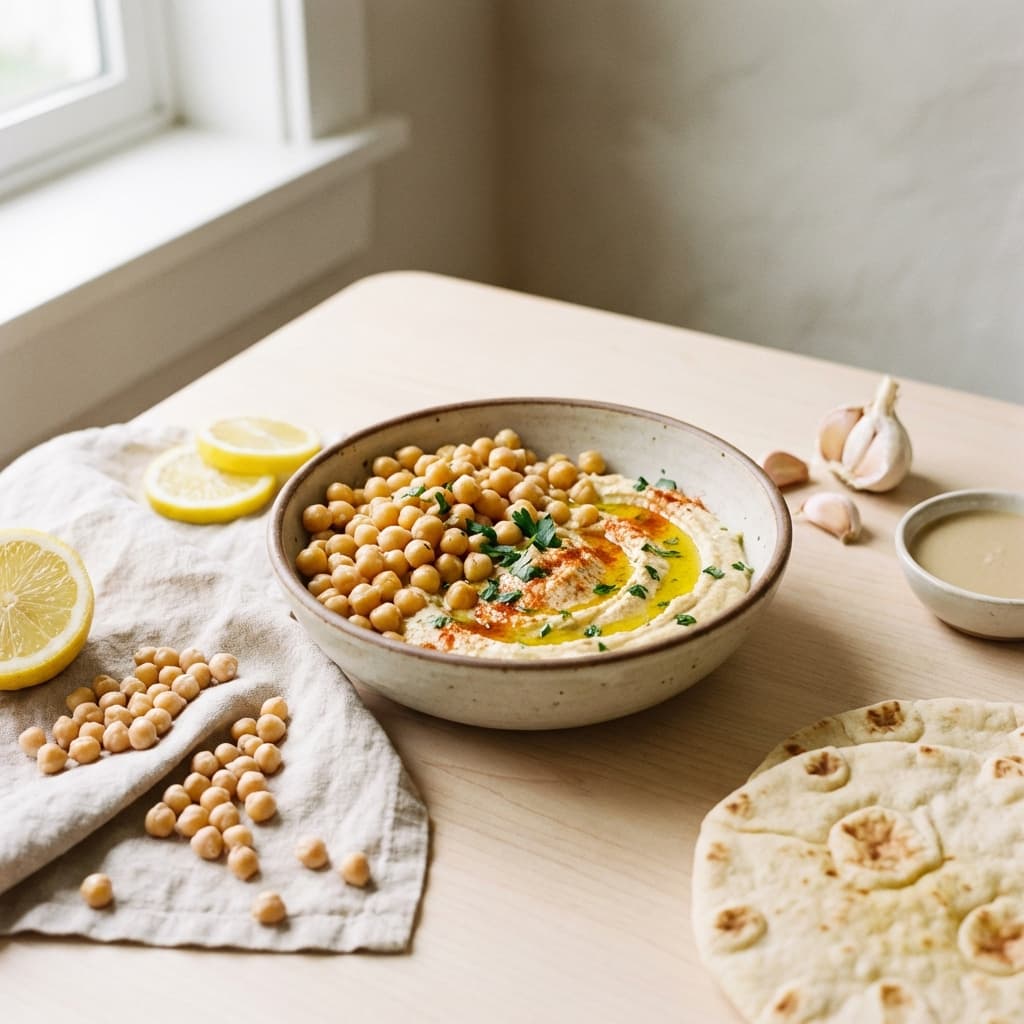
2. Chickpeas
Protein: ~14–15g per cooked cupCreamy when blended, crispy when roasted — endlessly versatile.
How to use them:
- Hummus and dips
- Roasted snack bowls
- Added to salads and curries
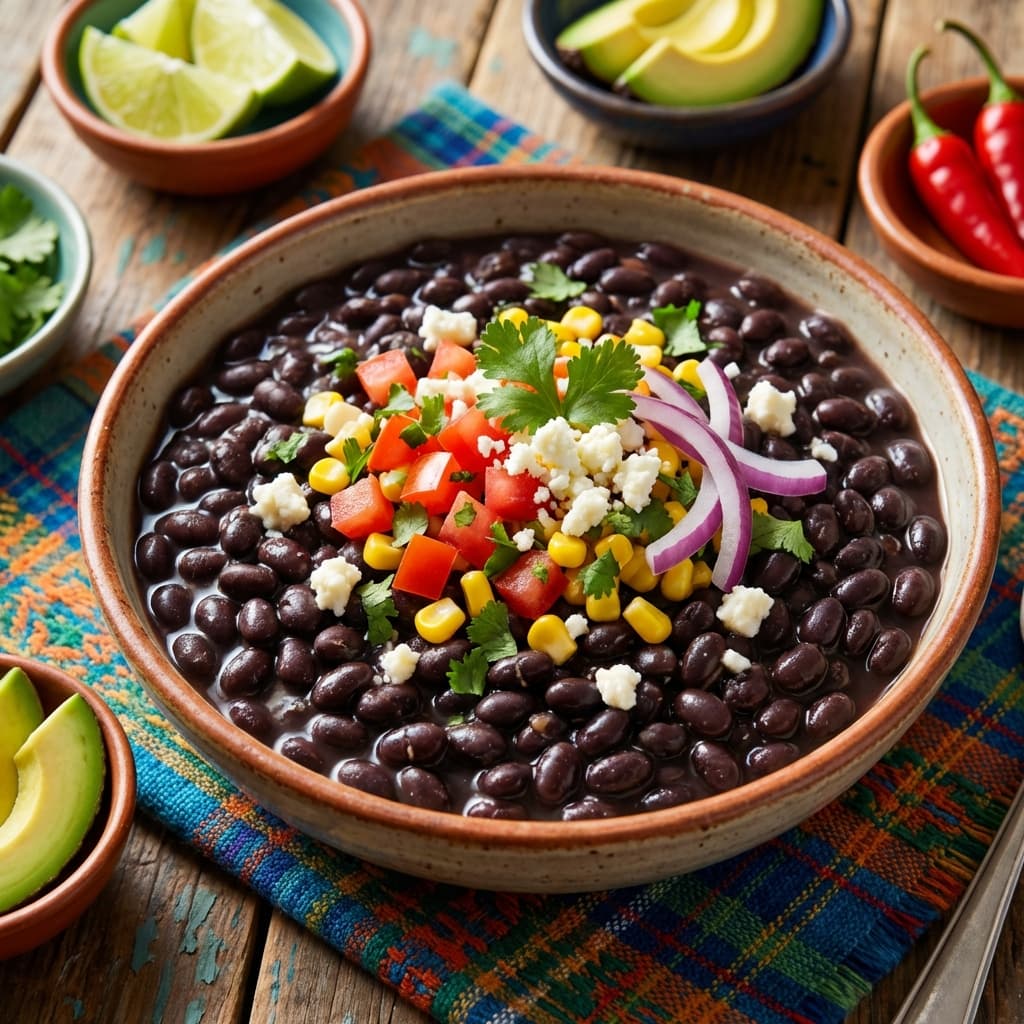
3. Black Beans
Protein: ~15g per cooked cupRich, filling, and perfect for savory dishes.
How to use them:
- Burrito bowls
- Black bean burgers
- Hearty soups
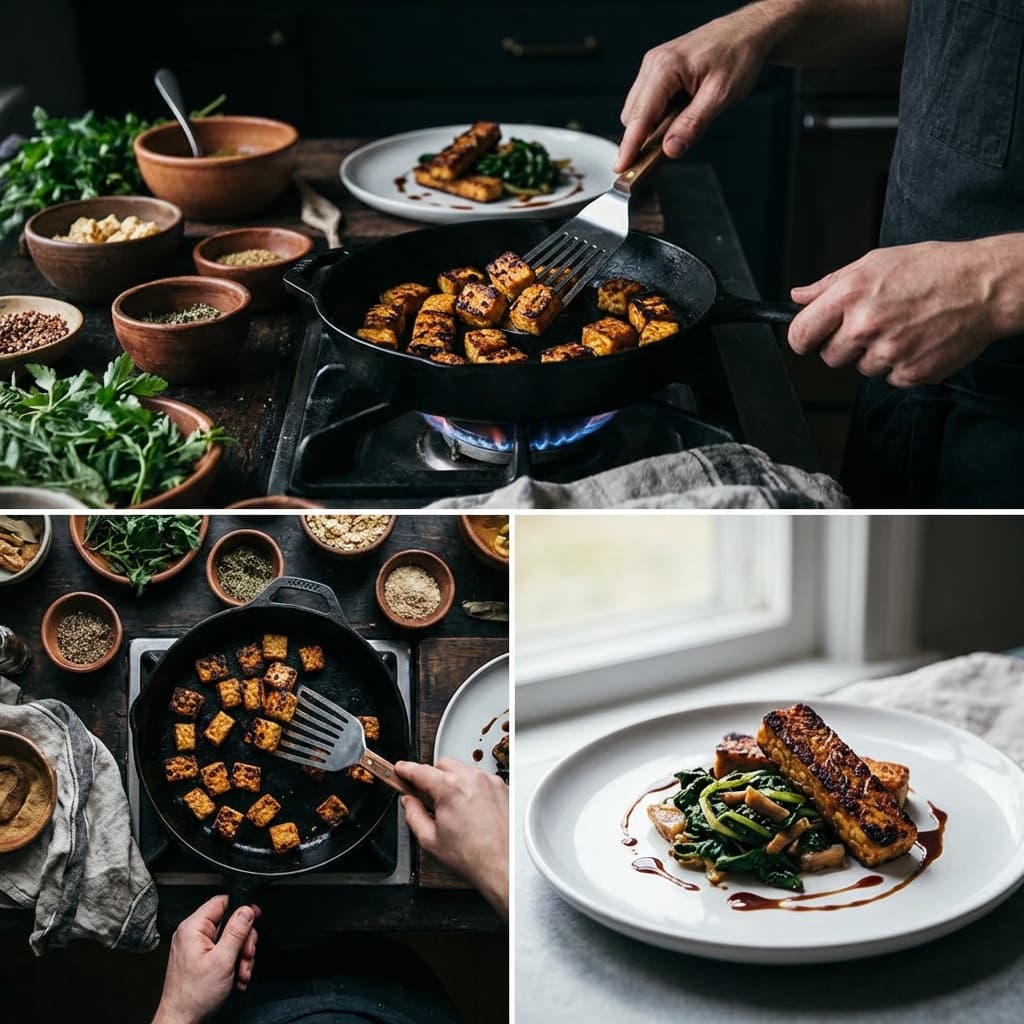
4. Tempeh
Protein: ~19g per 100gA fermented soy product with a firm bite and nutty flavor.
How to use them:
- Marinated and grilled
- Crumbled into salads
- Stir-fried with vegetables
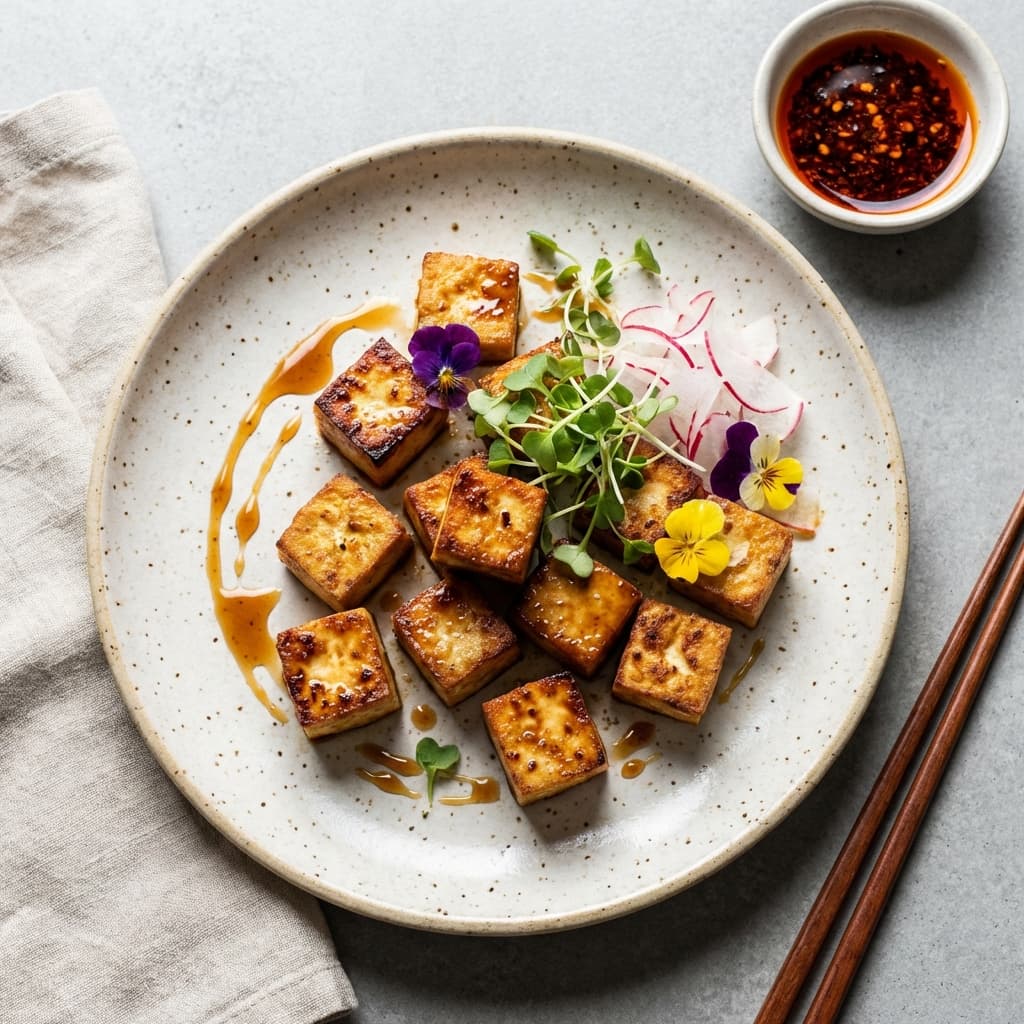
5. Tofu
Protein: ~8–12g per 100gAdaptable, protein-rich, and able to absorb any flavor.
How to use them:
- Stir-fries
- Tofu scrambles
- Smooth desserts (silken tofu)
6. Edamame
Protein: ~17g per cooked cupYoung soybeans that make a perfect snack or salad addition.
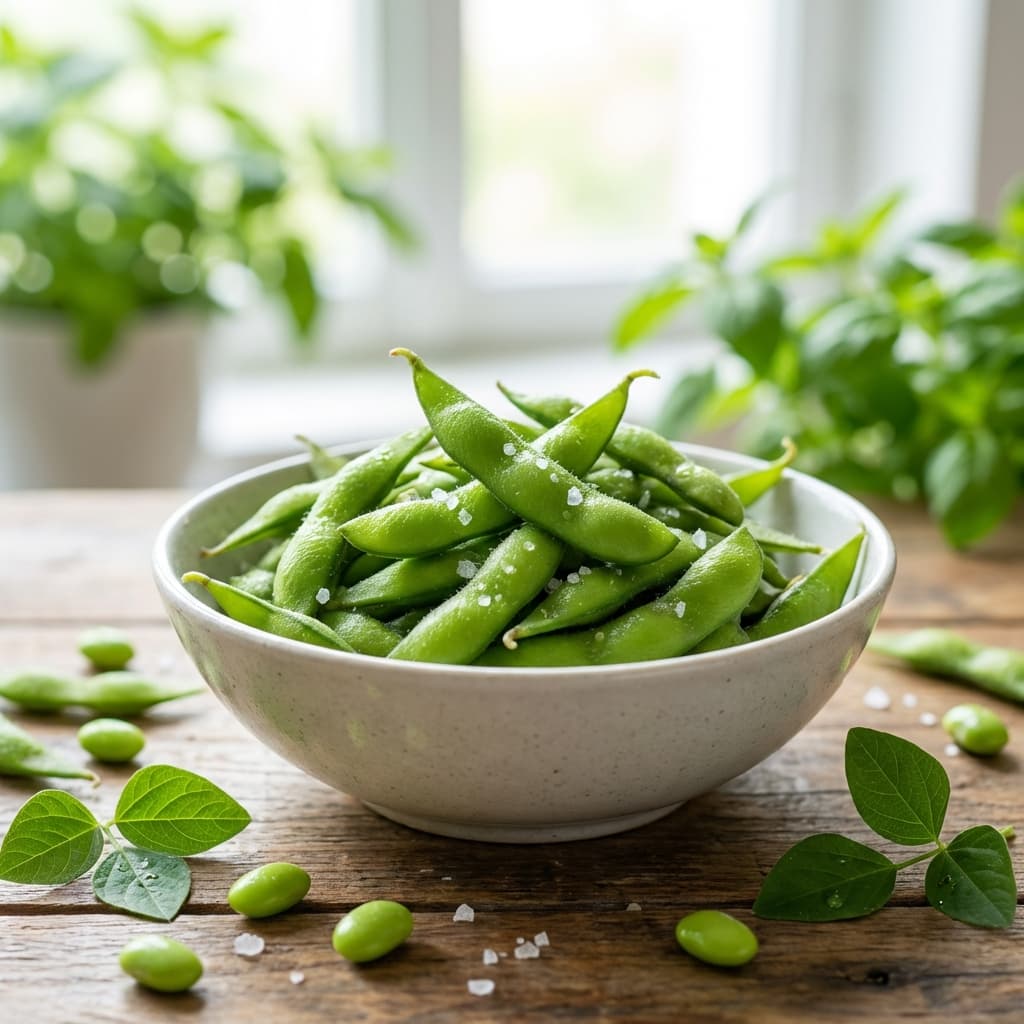
How to use them:
- Steamed with sea salt
- Tossed into grain bowls
- Blended into spreads
7. Quinoa
Protein: ~8g per cooked cupA complete protein and excellent base for meals.
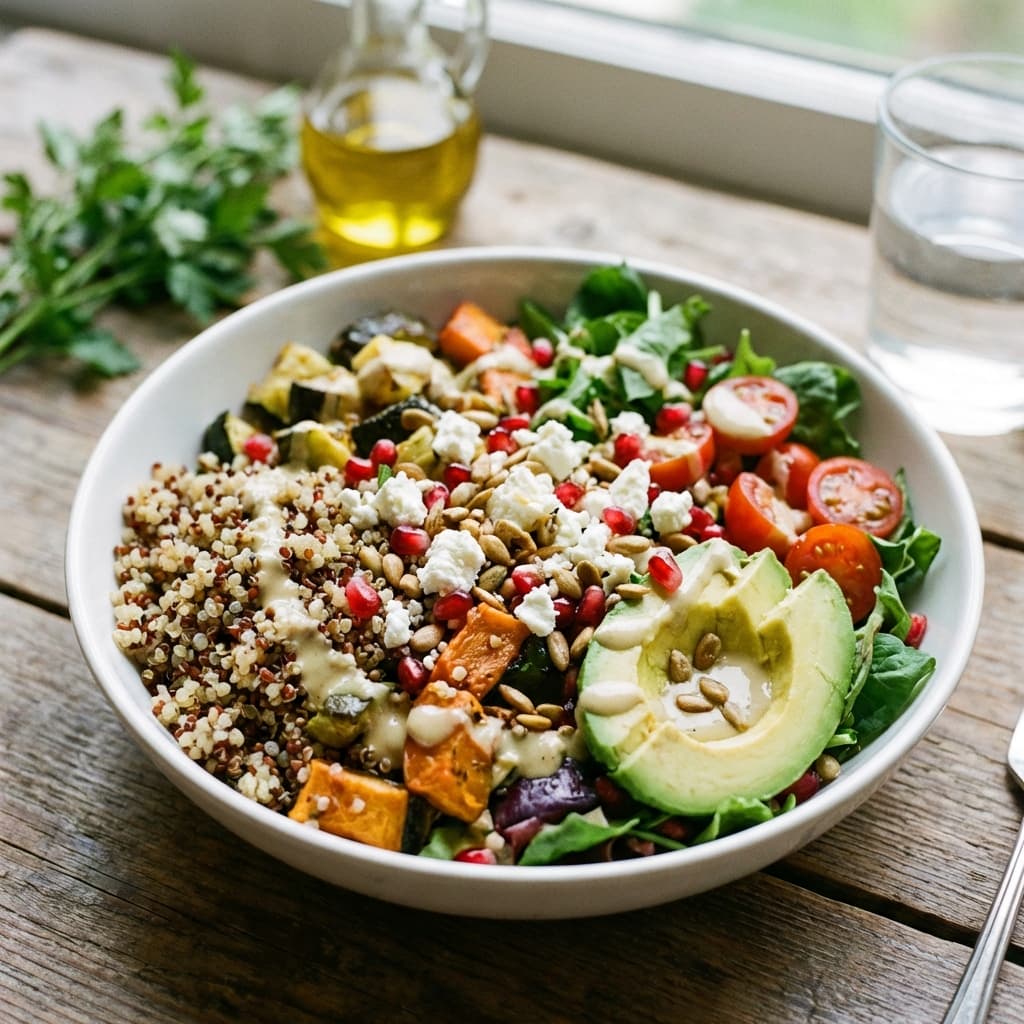
How to use them:
- Grain bowls
- Breakfast porridge
- Cold salads
8. Seitan
Protein: ~25g per 100gDense, chewy, and extremely high in protein.
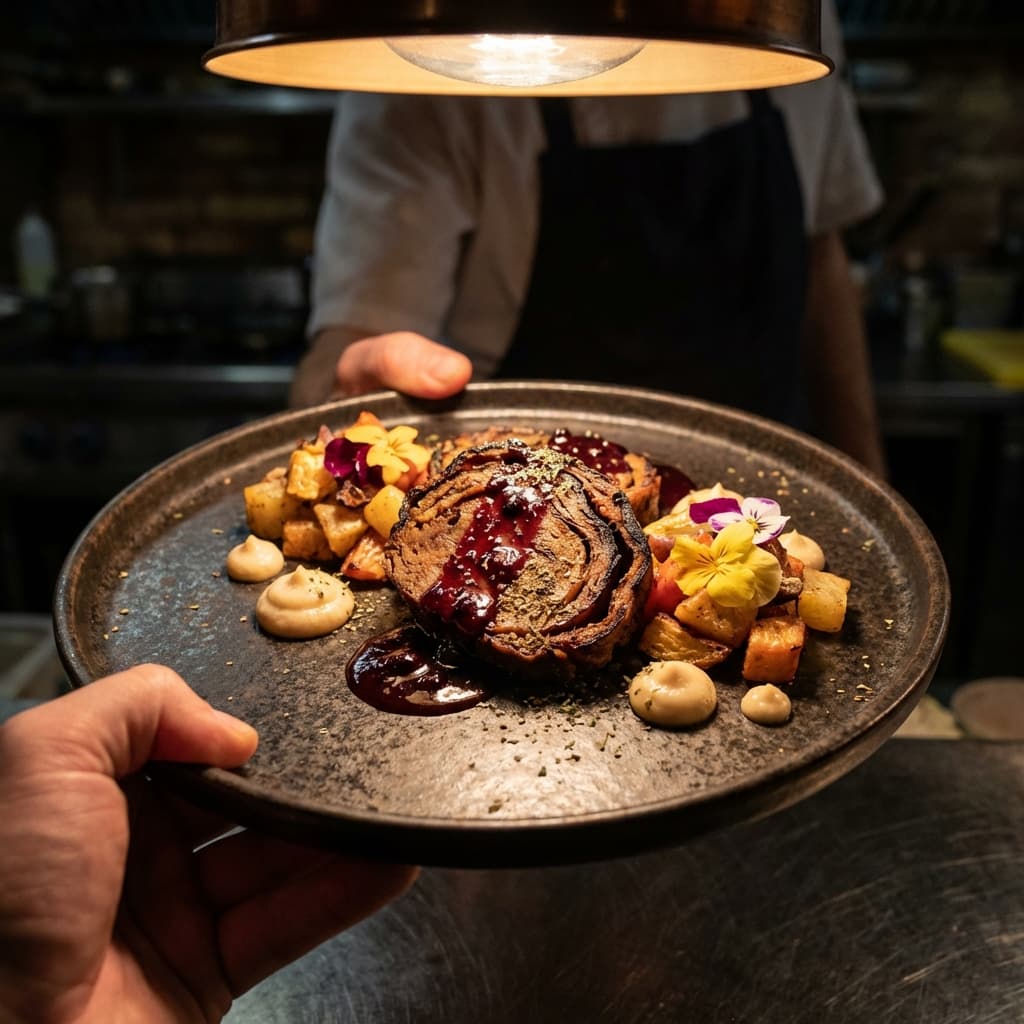
How to use them:
- Sandwich fillings
- Stir-fries
- Grilled skewers
9. Hemp Seeds
Protein: ~10g per 3 tablespoonsTiny but powerful protein boosters.
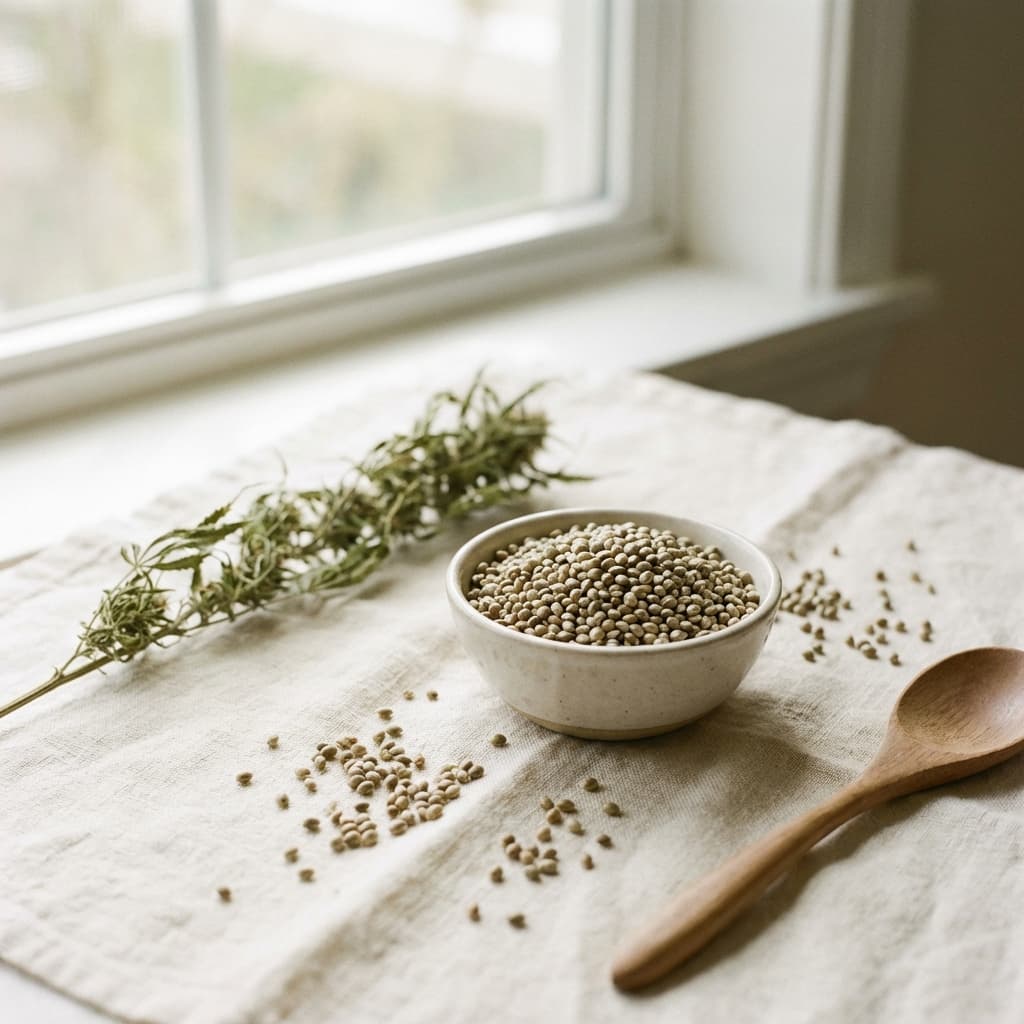
How to use them:
- Sprinkled over smoothie bowls
- Added to oatmeal
- Mixed into yogurt
10. Almonds
Protein: ~6–8g per ¼ cupCrunchy, satisfying, and easy to snack on.
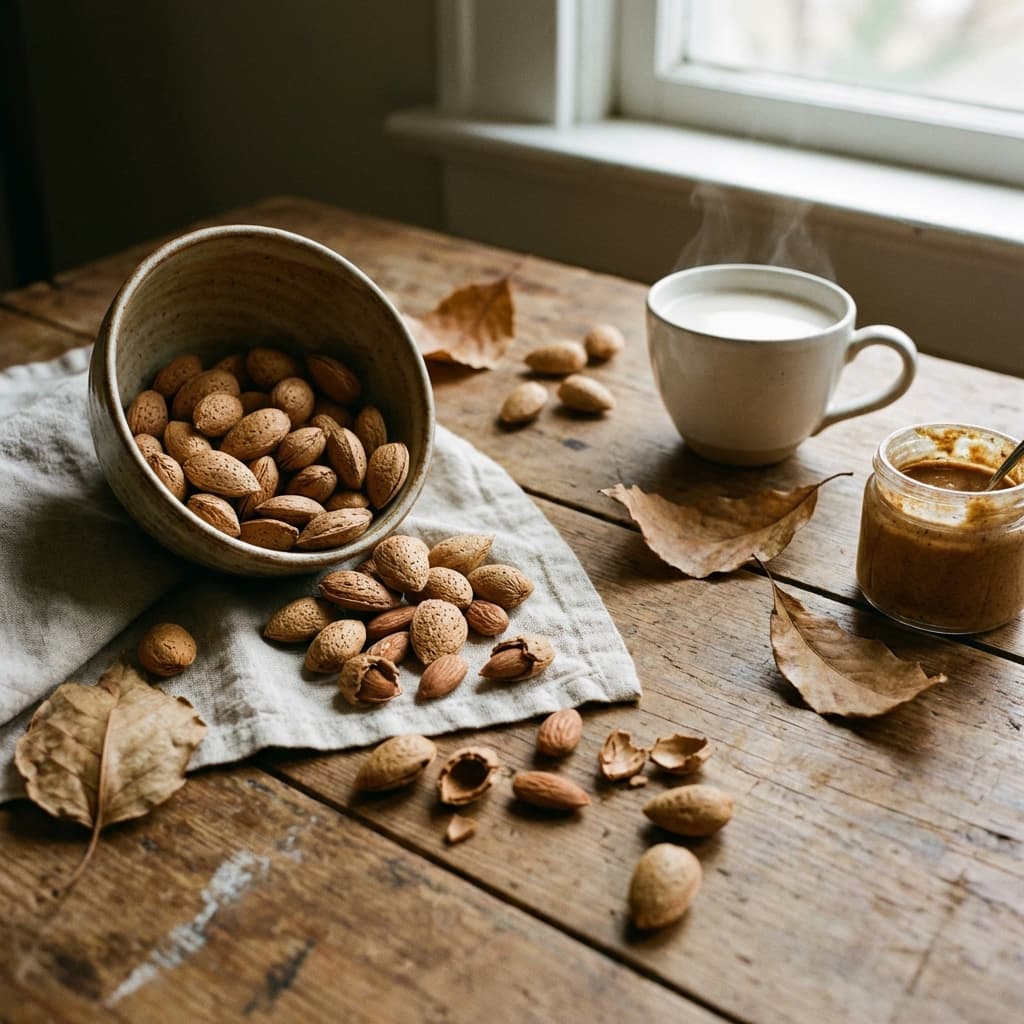
How to use them:
- Almond butter on toast
- Blended into sauces
- As a quick snack
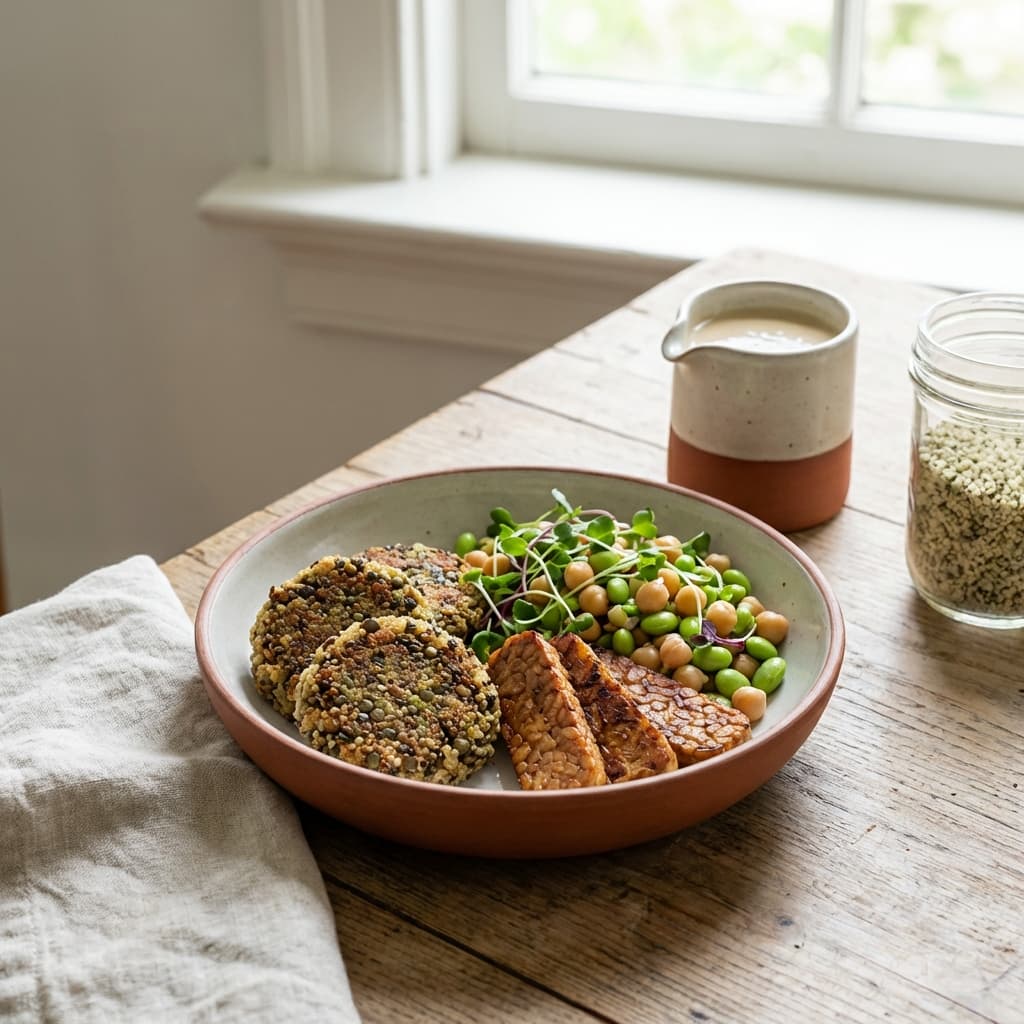
Simple Meal Pairing Ideas
Plant-based protein isn’t about restriction — it’s about abundance, texture, and creativity.
— GenkiDiary Wellness Team

About the Author
Elena Rodriguez is a registered dietitian nutritionist (RDN) specializing in plant-based nutrition and digestive health, combining evidence-based research with practical approaches.
View Full Profile